


What the Plants Remember: A Living History of Kenilworth Aquatic Gardens
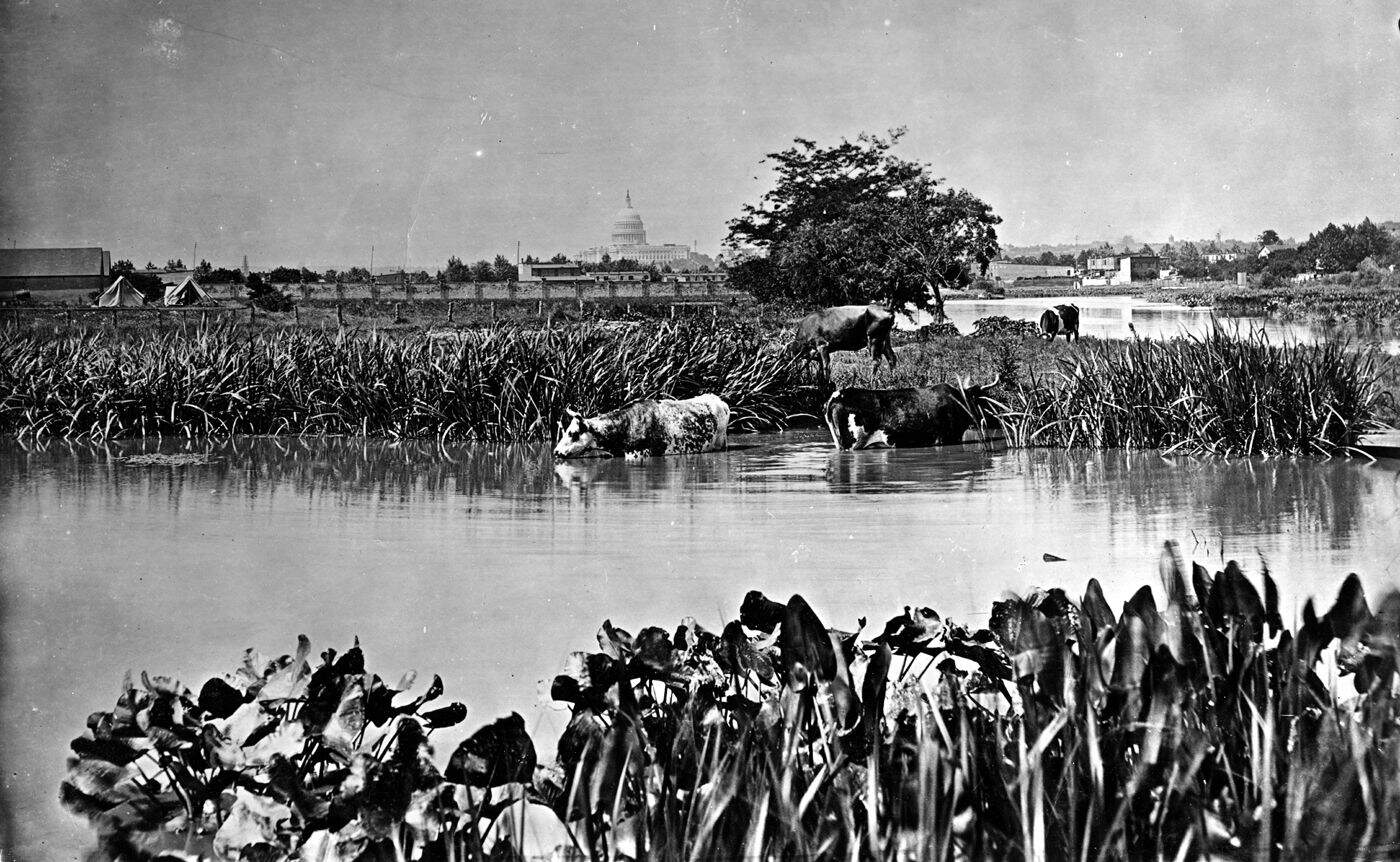
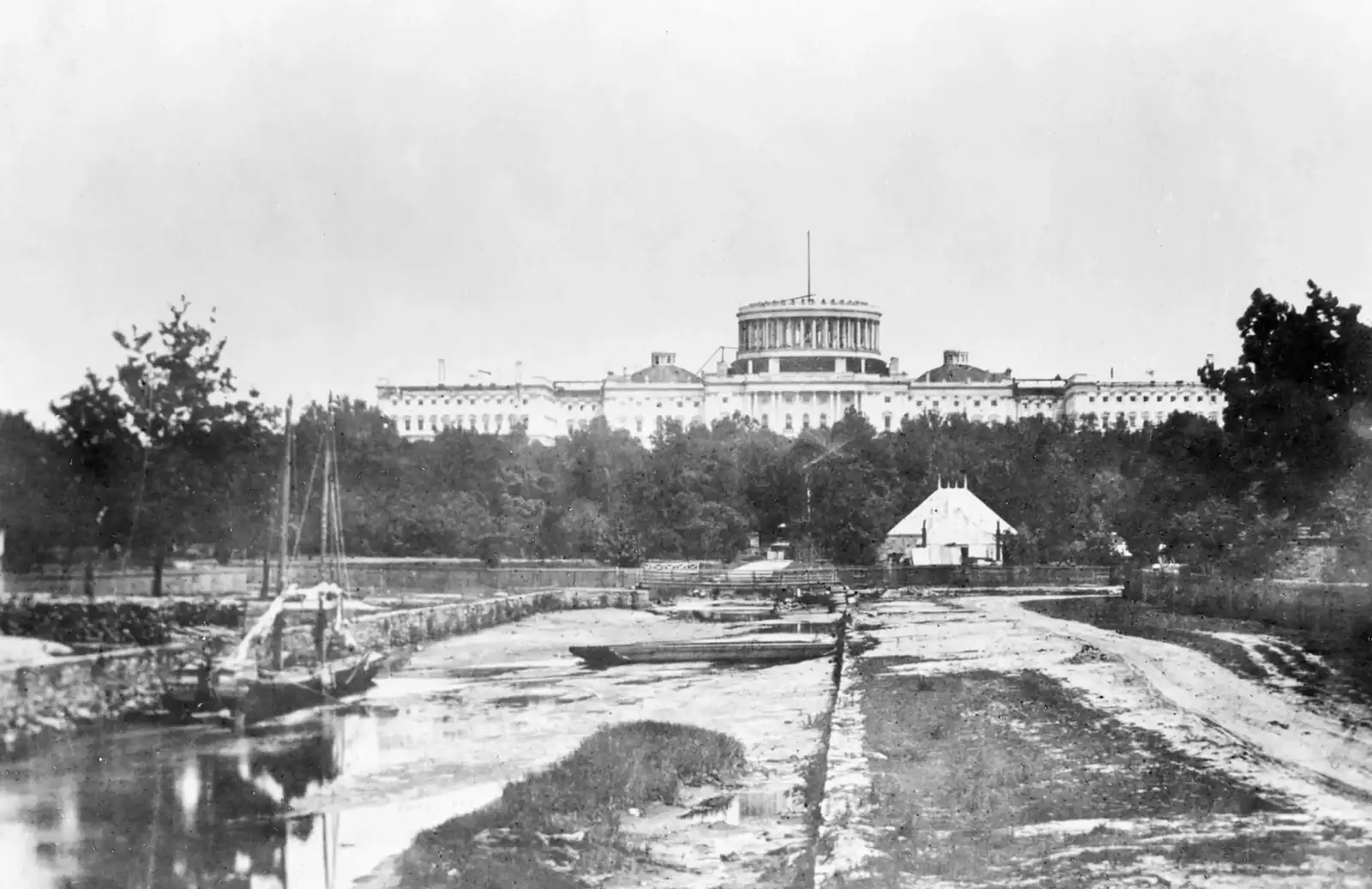
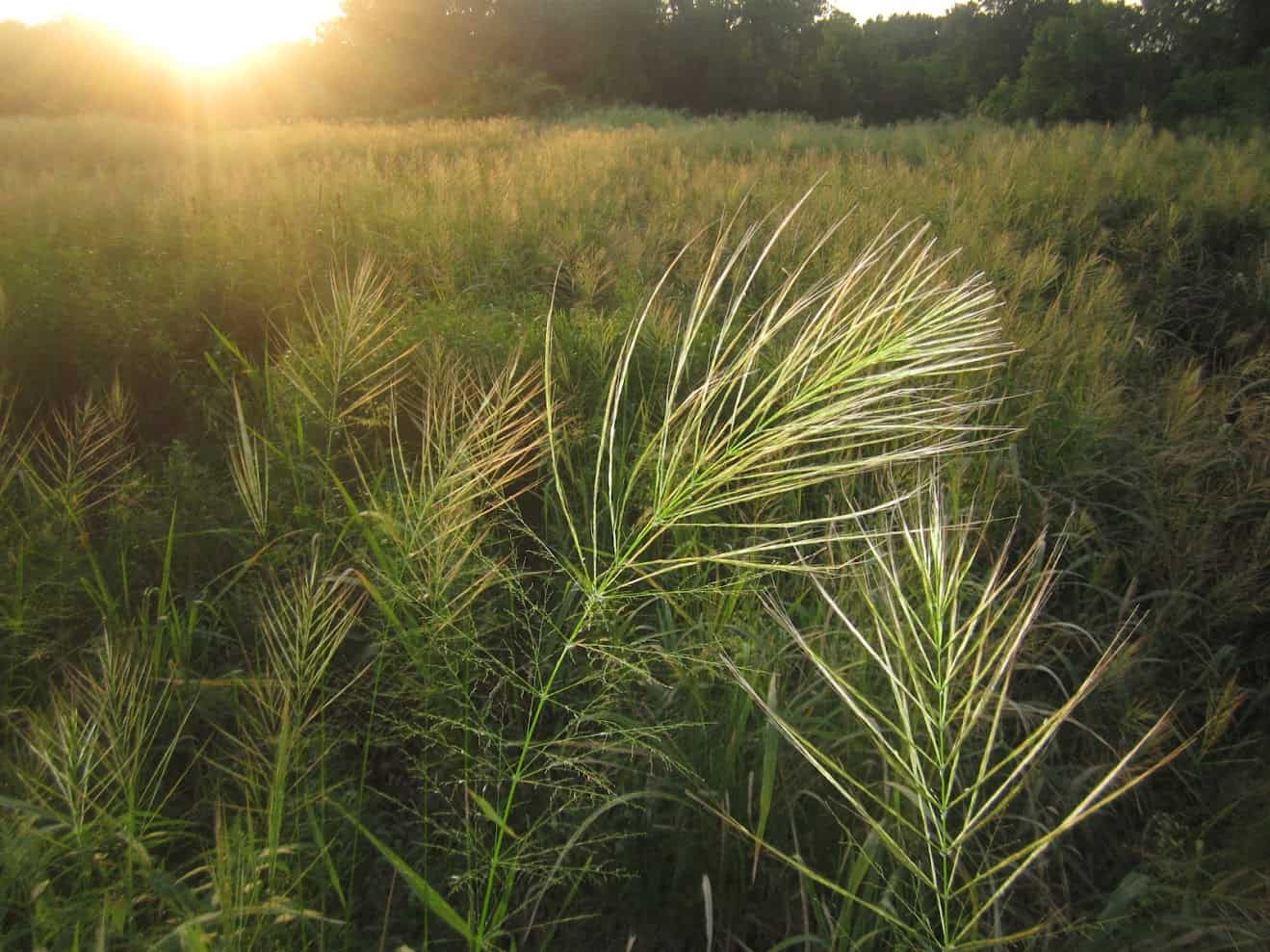
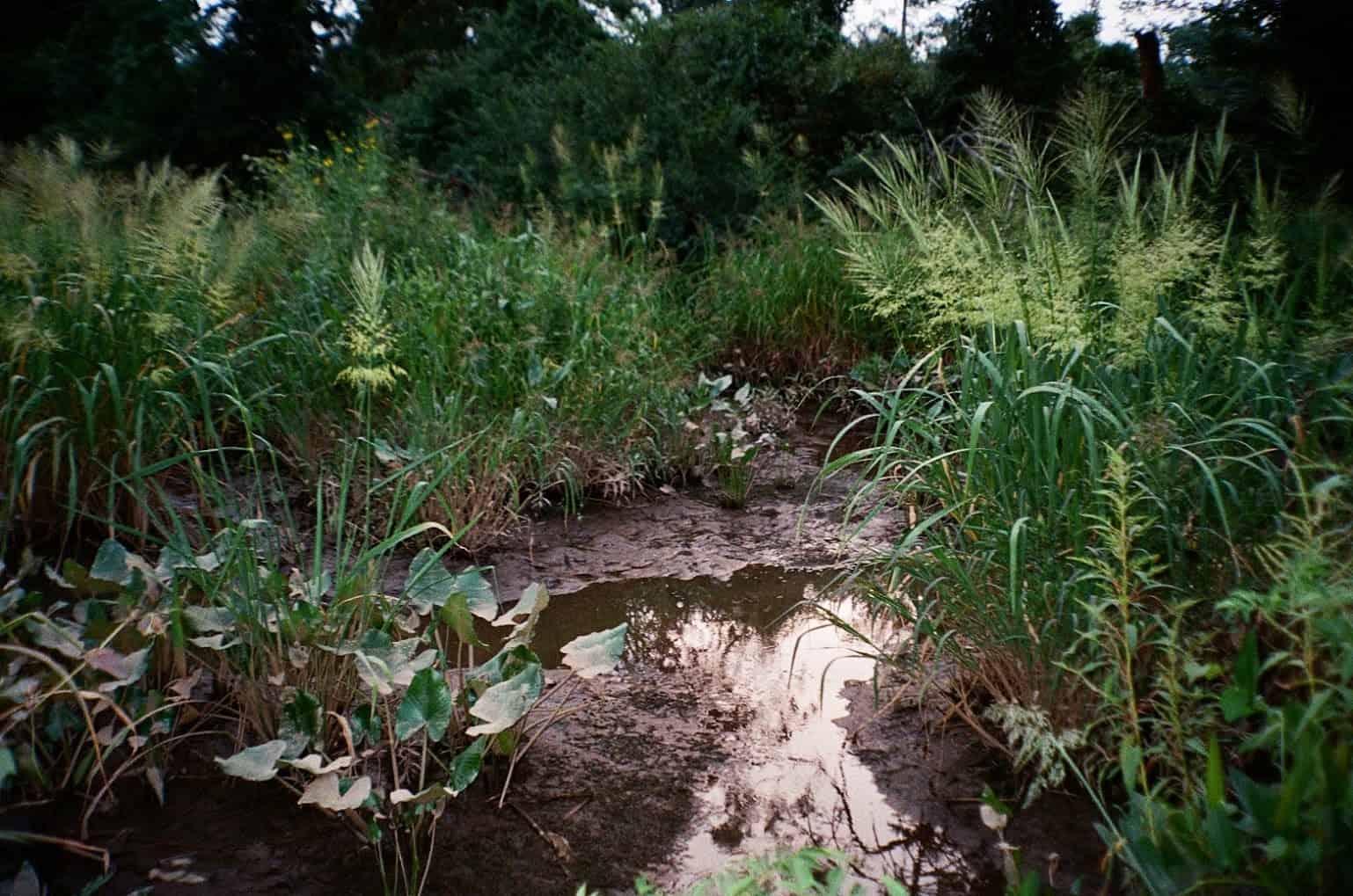
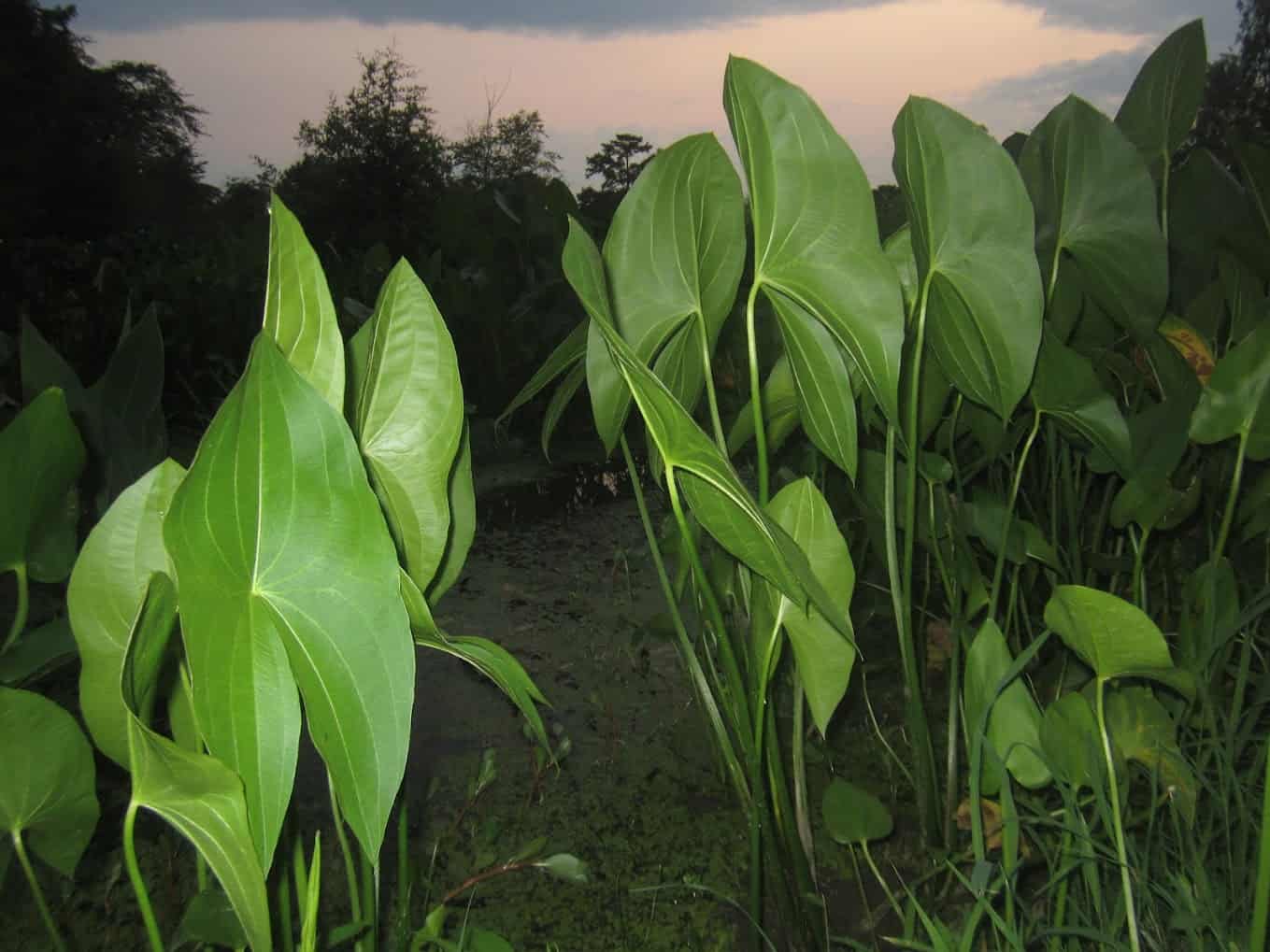
The district’s landscape has undergone drastic changes over time. In the Kenilworth area, the wetlands were dredged, drained, and filled as the city developed while private citizens, like Walter B. Shaw, transformed the land into an aquatic garden, which was later preserved as a national park. Through these changes, the plants in Kenilworth Marsh and Aquatic Gardens have remained, living witness to the world transforming around them.
What would they think about our stewardship? How have they experienced the past few hundred years? What might they remember?
These were the questions I asked myself as I began a summer internship at Friends of Kenilworth Aquatic Gardens. I decided to explore the topic by experimenting with an alternative photographic process called Chlorophyll Printing. It uses the natural light-sensitive pigments in leaves to develop photos, exposing certain parts of the leaf to sunlight and shading the other parts to reveal an image.
As you review each image and its context, consider the history reflected through each leaf.
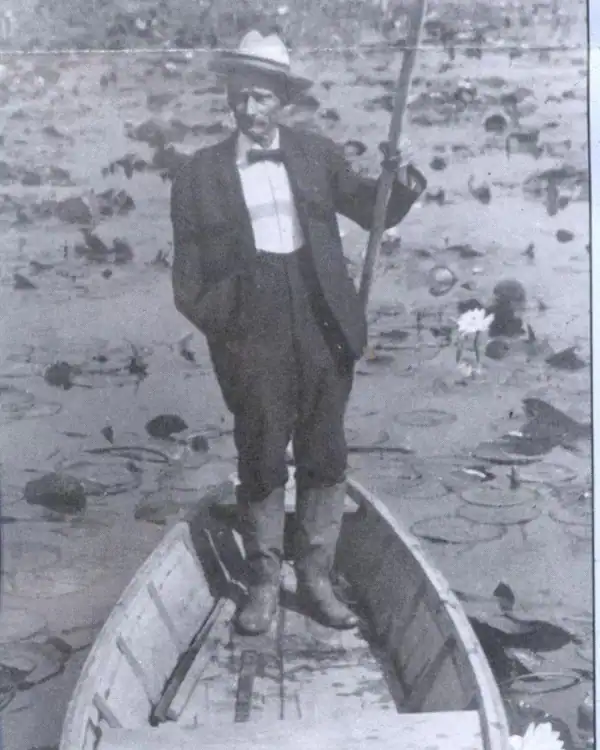
How would the Arrow Arum leaves have viewed the marsh becoming a botanical garden?
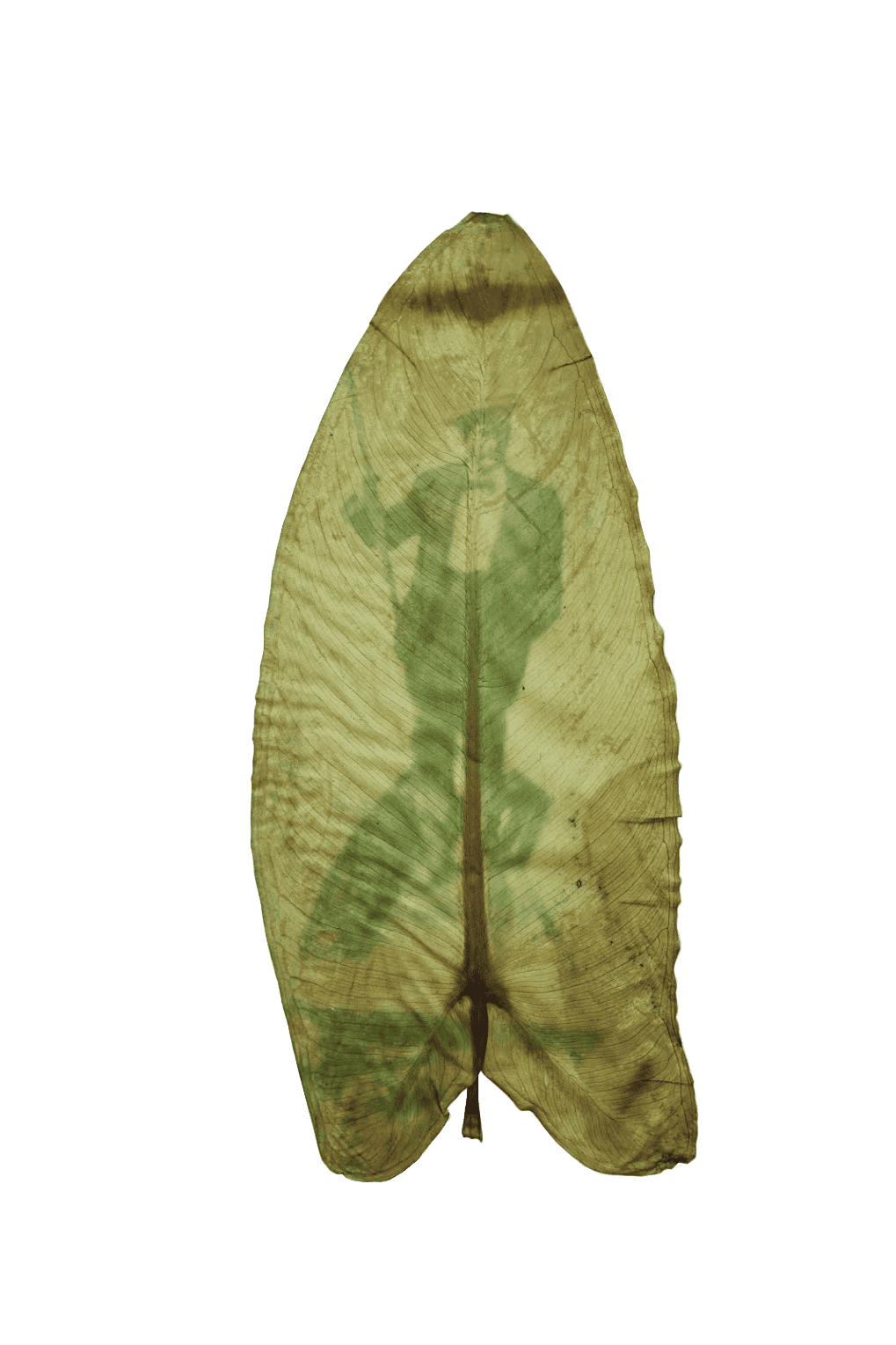
Leaf (left): Arrow Arum is a native species that has grown in marsh areas for centuries.
Image (right): Walter B. Shaw, the founder of Kenilworth Aquatic Gardens. Shaw was a landowner, civil servant, and Civil War veteran who began cultivating water lilies and lotuses as a personal hobby and eventually a commercial flower business. Image source: NPS
Did the aquatic plants appreciate Helen Fowler’s work to protect them?
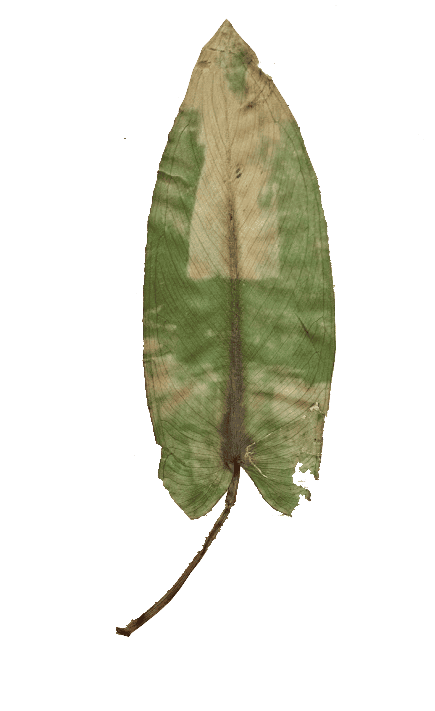
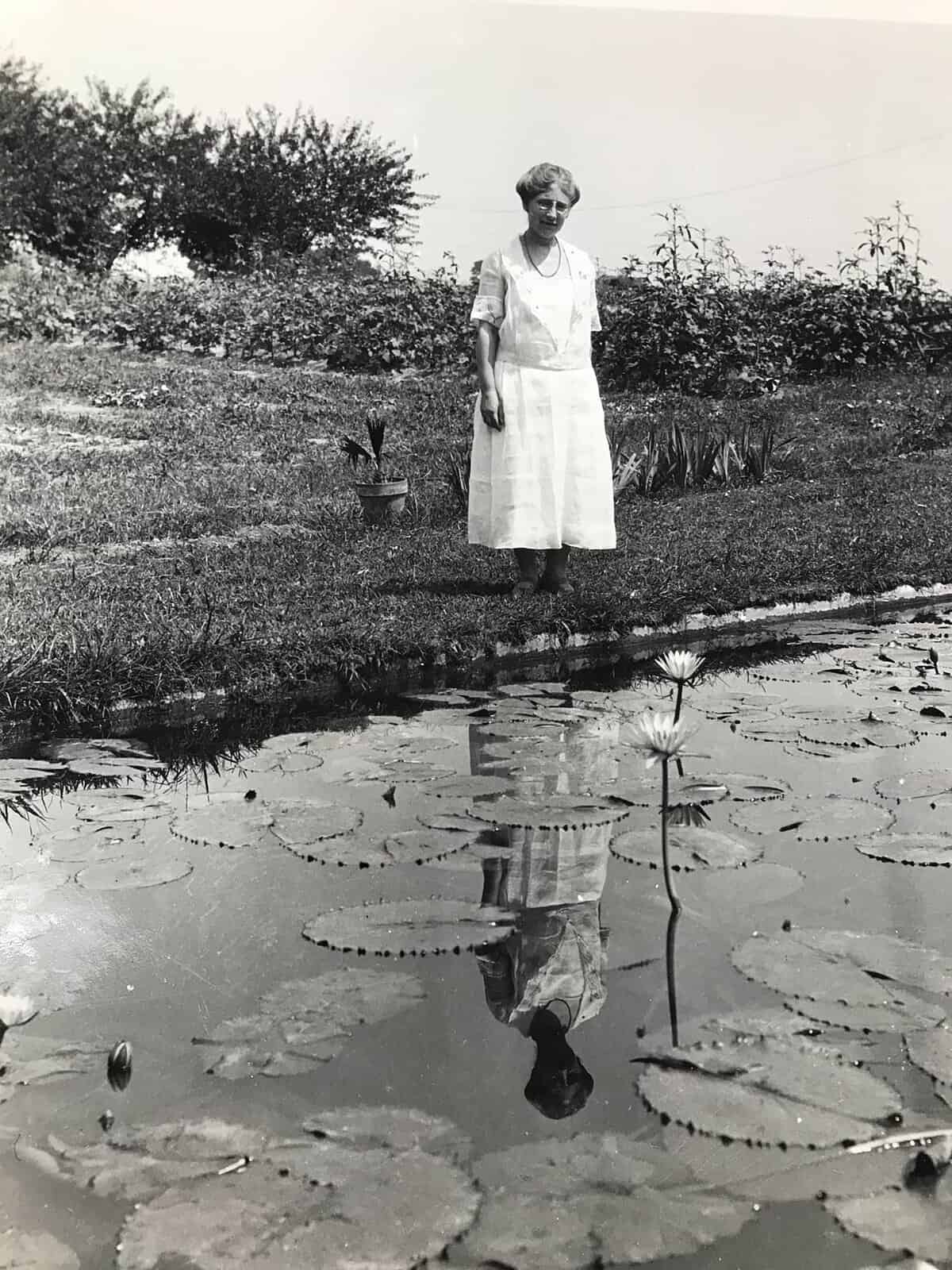
Leaf (left): Arrow arum
Image (right): Helen Fowler, the daughter of Walter B. Shaw succeeded him as the business owner of the gardens. When the United States government tried to take ownership of the gardens and fill in the marsh and swamp areas, Helen Fowler successfully campaigned to preserve the gardens as National Park.
Image source: NPS
What relationships could have formed between wild rice plants and local community members who stewarded them?
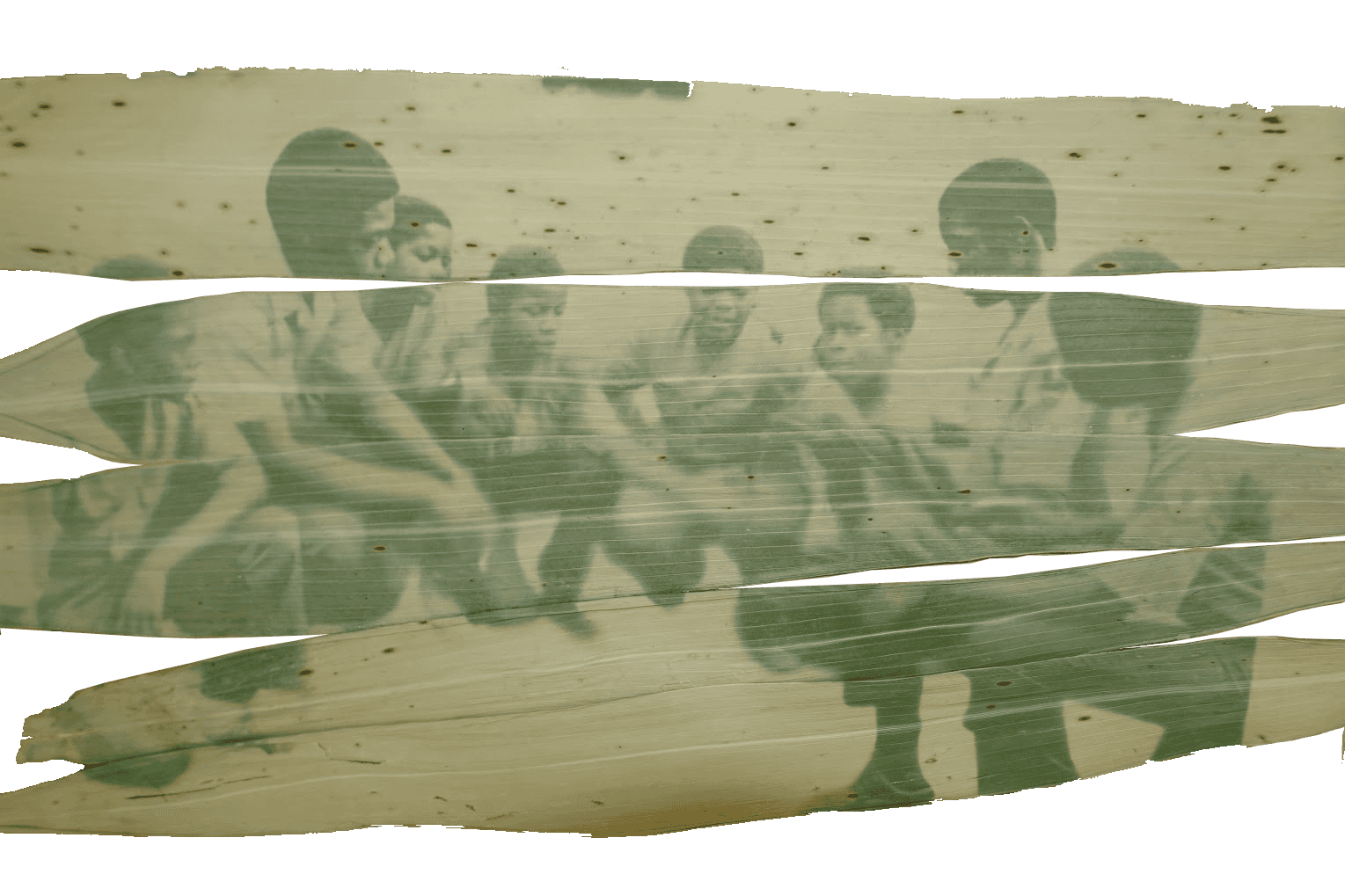
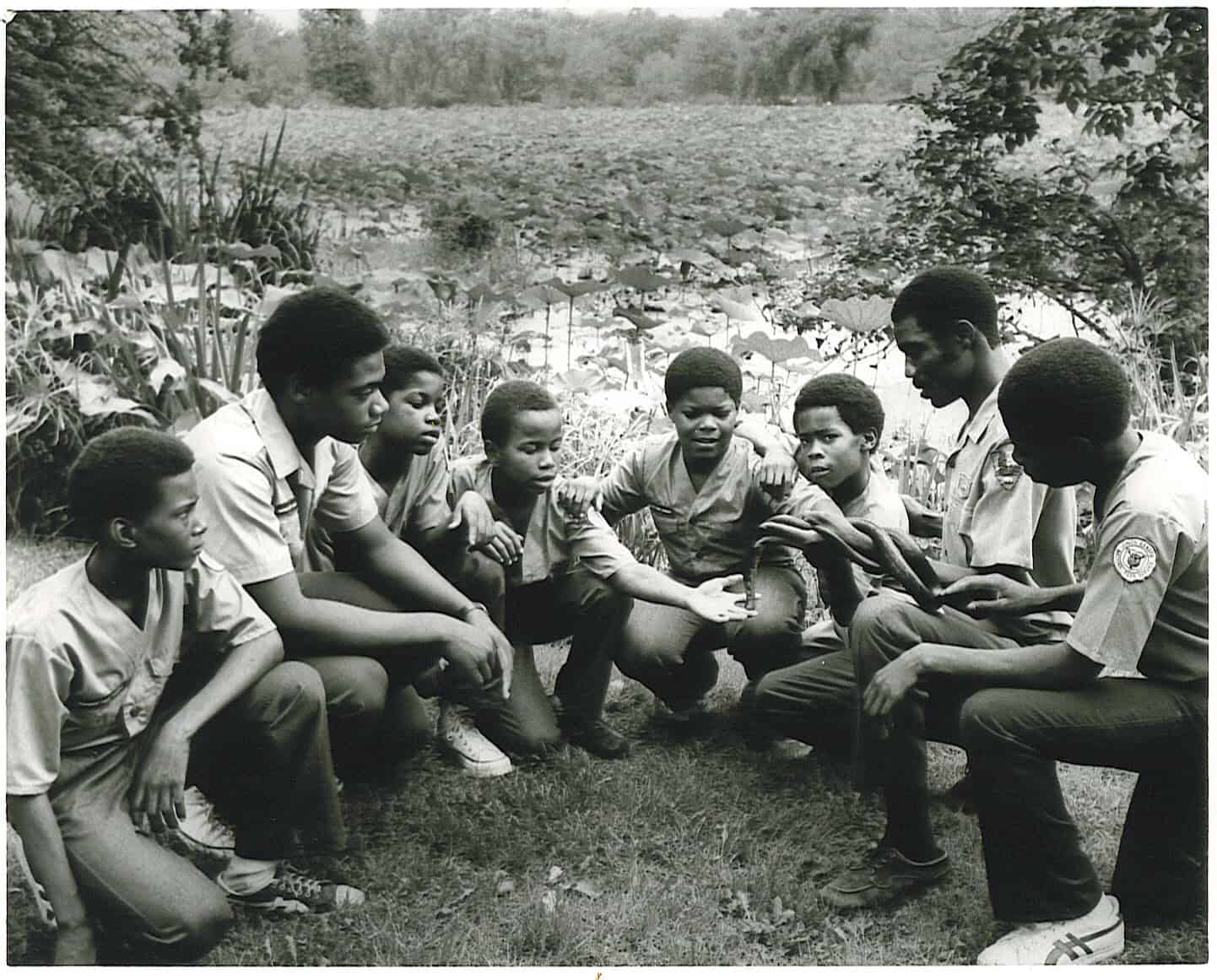
Leaves (left): Southern wild rice (Zizania aquatica), native to our area. It is an edible seed that was and is harvested by indigenous groups.
Image (right): Local kids participating in Walter McDowney (Ranger Mac)’s Junior Ranger Program in the 1980s. The program involved kids from the local community in park stewardship and environmental engagement. See here an account from Shawn Battle, one of the participants in the program. Image source: NPS
Do spatterdock plants still remember when DC was a marsh?
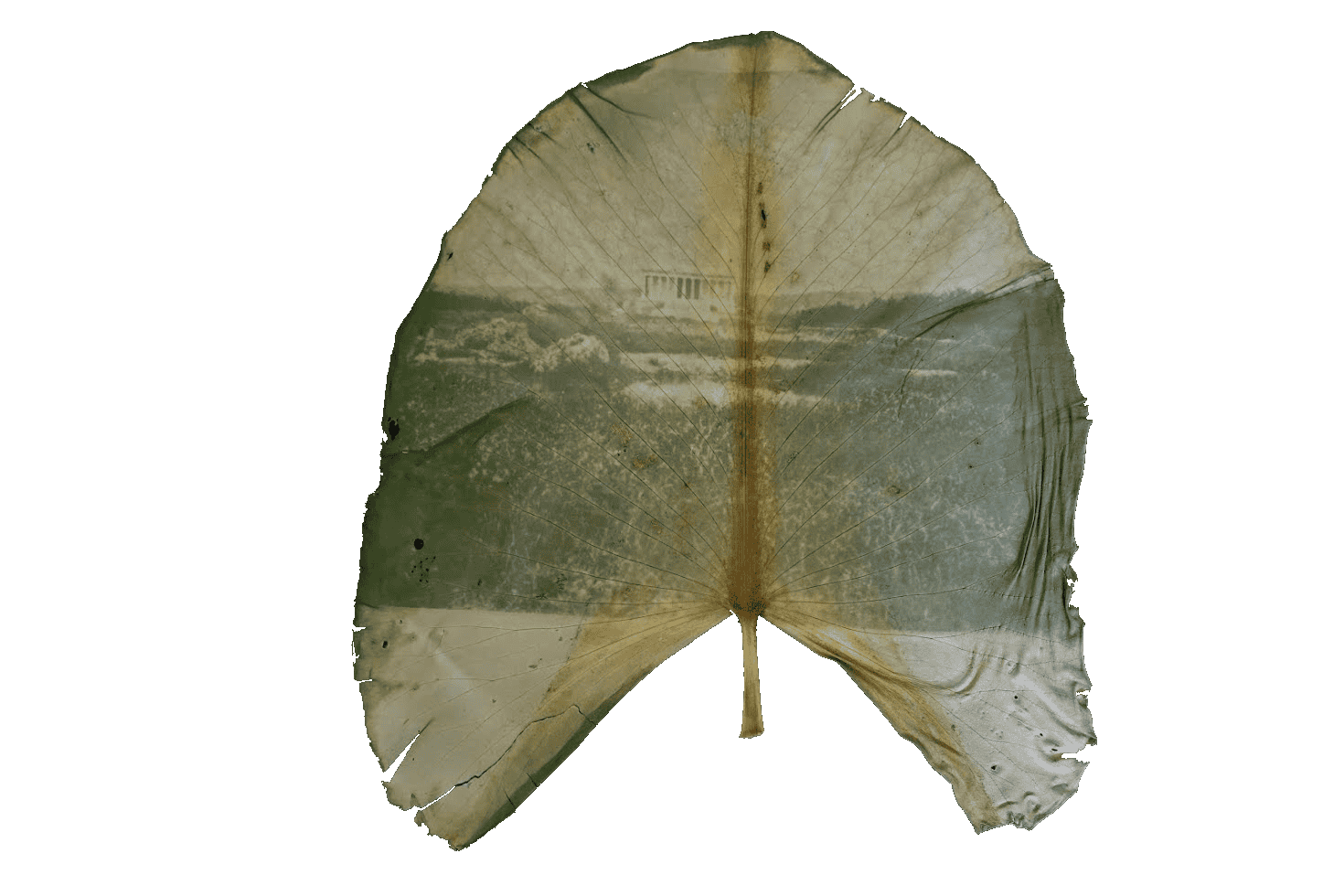
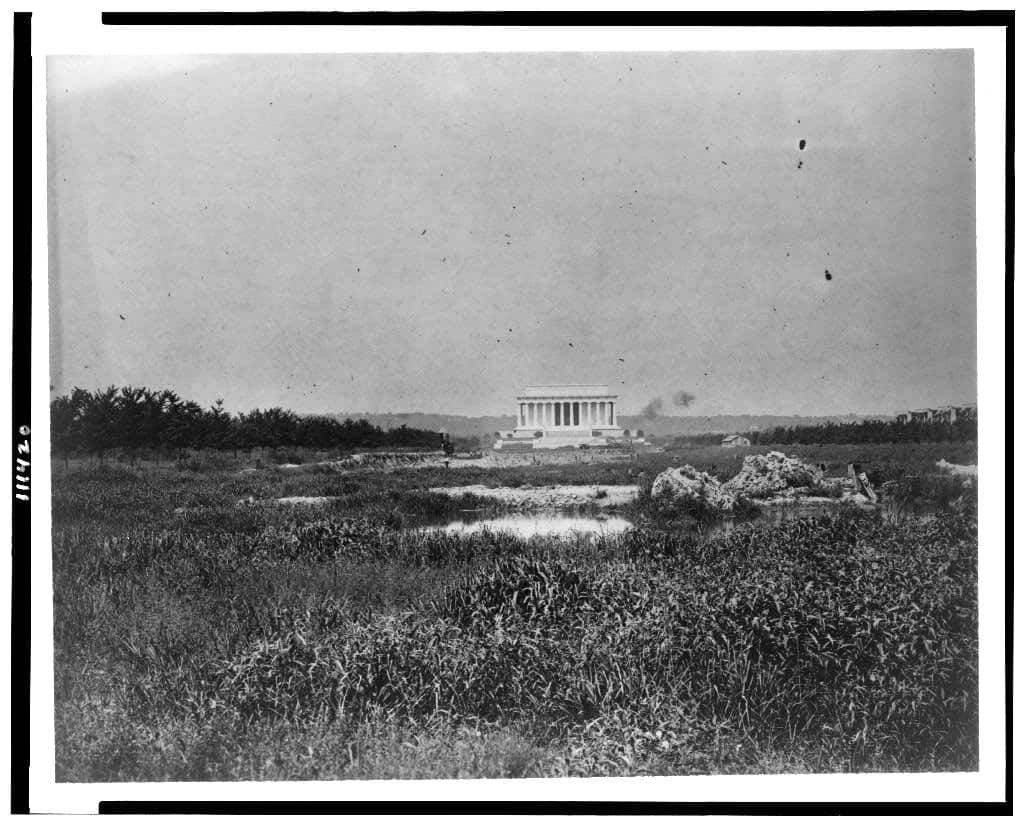
Leaf (left): Spatterdock, or yellow pond lily, is a native water lily to DC. It grows abundantly in the Kenilworth Marsh.
Image (right): This is how the Lincoln Memorial looked in 1917, before the reflecting pool was created. Much of it resembles the Kenilworth marsh. Image source: Library of Congress
When visitors enjoy the park, do the aquatic plants also appreciate it?
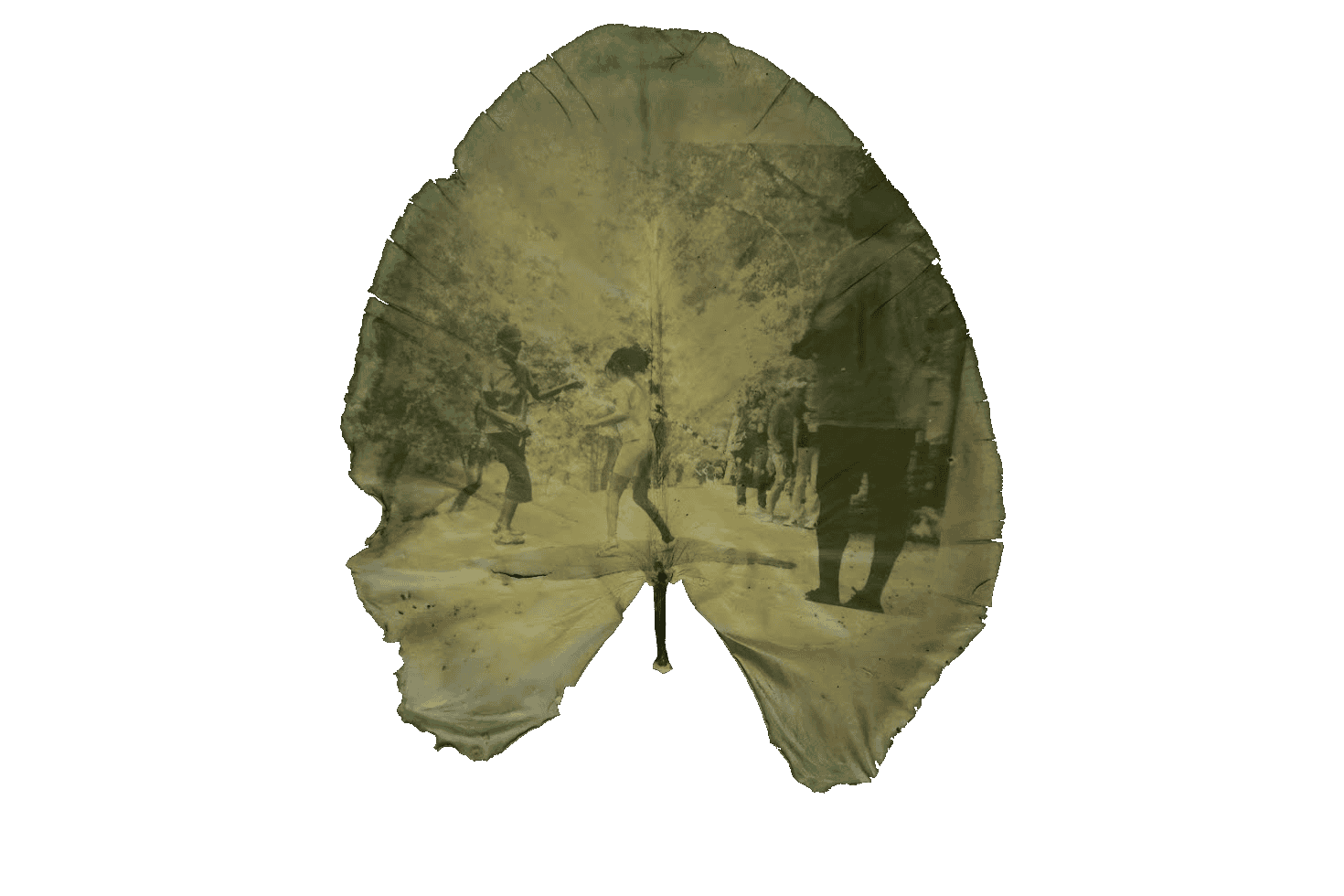
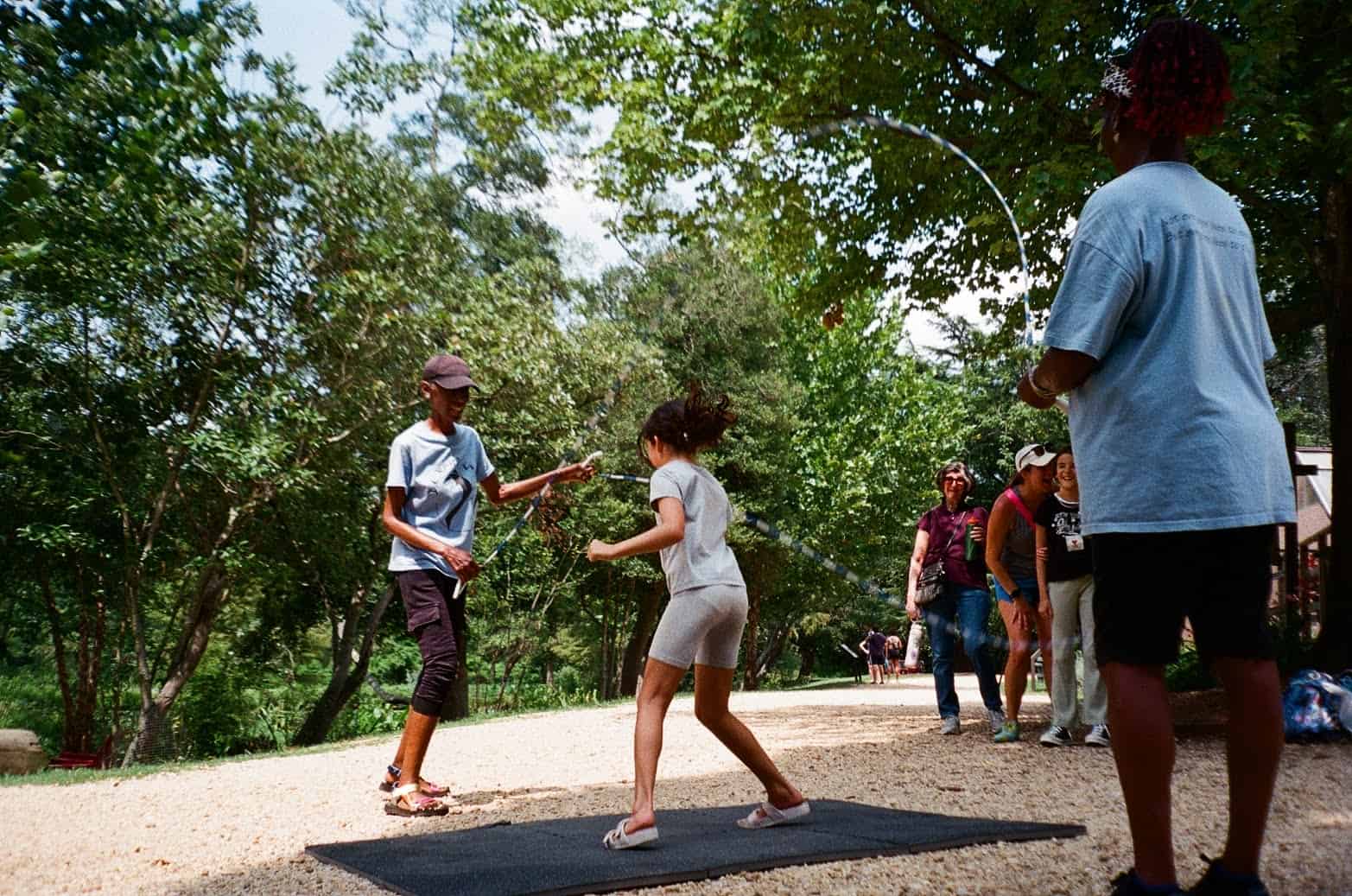
Leaf (left:) Spatterdock
Image (right): Visitors play double dutch with DC Retro Jumpers at a FoKAG WELLderness event in August 2026. Image by Emily Fox.
How did wetland plants manage life next to a landfill?
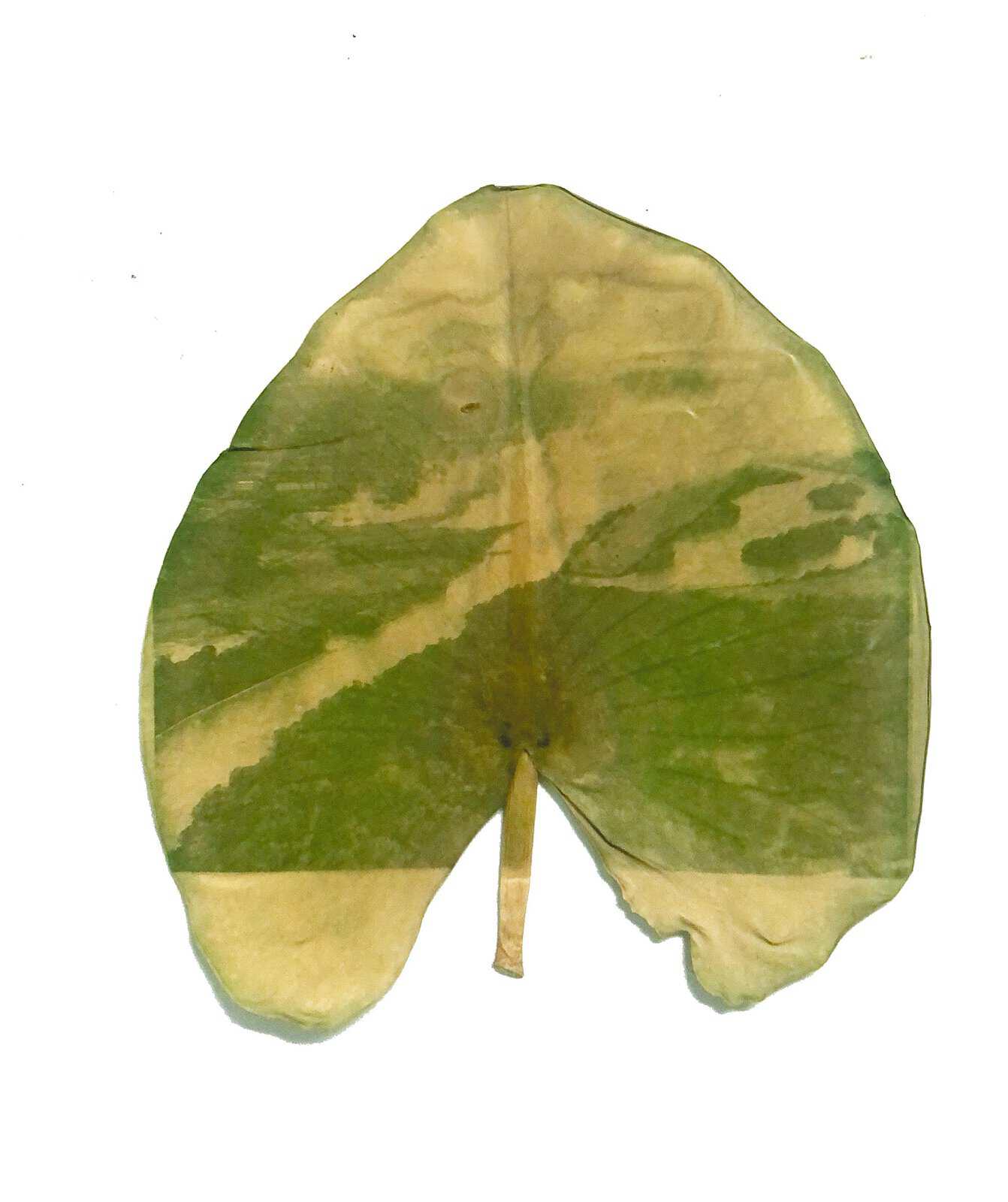
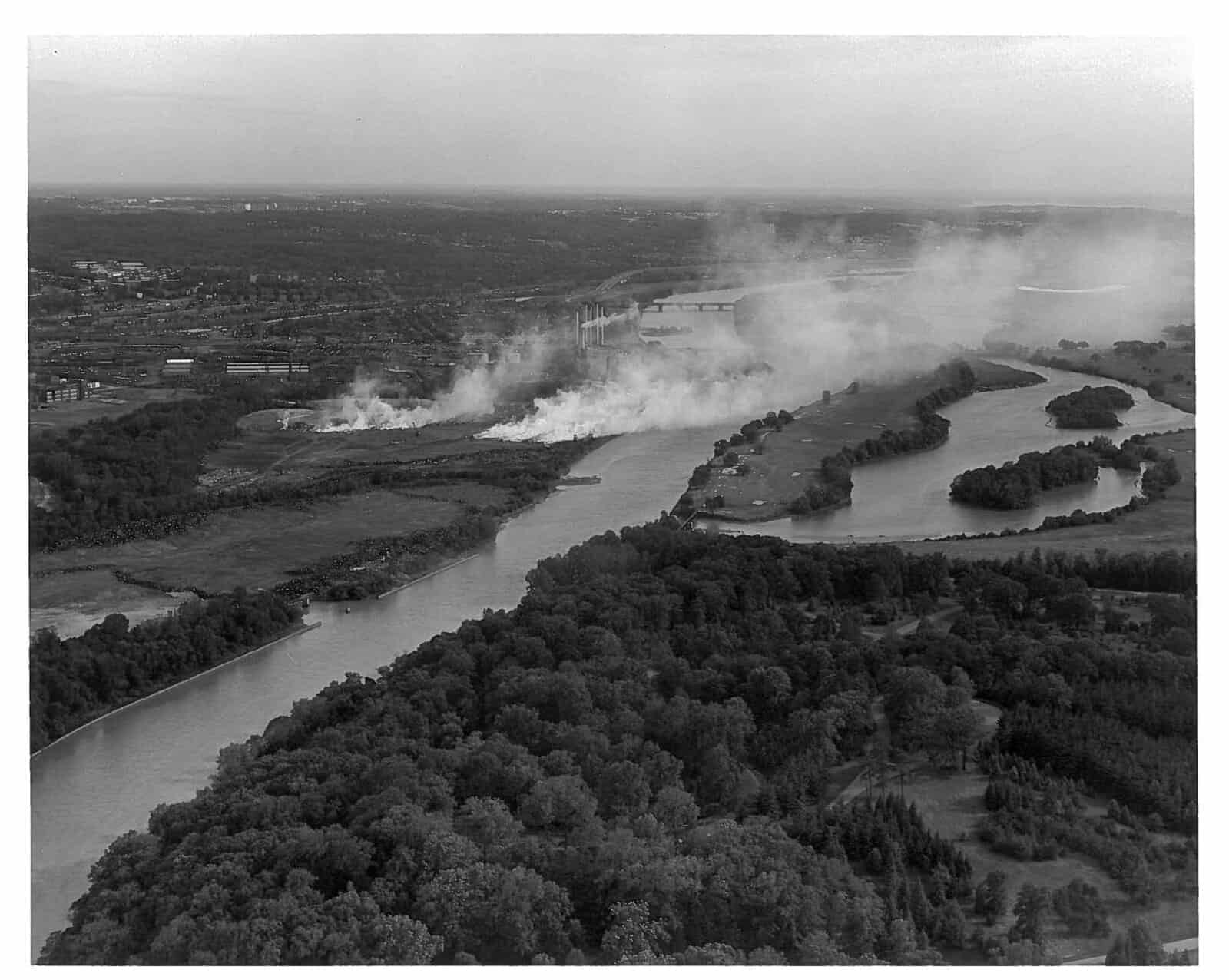
Leaf (left): Spatterdock
Image (right): Kenilworth Park Landfill. From 1942 -1970, Kenilworth Park was a landfill where the federally appointed D.C. government burned trash. Located in a historic African-American neighborhood, it is a stark example of environmental racism in our city. The landfill closed in 1970 when a young neighborhood boy died in a landfill fire. Dangerous chemicals still remain in the soil of Kenilworth Park. Click here to get involved in helping restore Kenilworth Park.
At Friends of Kenilworth Aquatic Gardens, we seek to connect people to the nature that is around them. But relationships are two-sided: we experience the gardens and the plants experience us.
If you found this series interesting, we'd love to hear from you about how you think the leaves may have experienced the park’s history. Or, if you have a photo of a special moment at the park you think may be relevant to this project, send it to info@fokag.org.

Leave a Reply
You must be logged in to post a comment.